Essays on cinema, literature, transgressive art, culture and society — on how worth gets assigned, who is allowed to name their own price, and on those polite culture keeps in its peripheral vision: too young, too poor, too exposed, too out of place.
010If differences between people are partly innate, who does that absolve, and of what responsibility? And why do we look to genetics for that answer?October 28, 2026
010 · latest · 14 min
If differences between people are partly innate, who does that absolve, and of what responsibility? And why do we look to genetics for that answer?
009A novel about how the internet renders violence as text, as content — and casts the reader as a quiet accomplice, one who assures himself he’s merely a spectator.September 4, 2026
009 · 15 min
A novel about how the internet renders violence as text, as content — and casts the reader as a quiet accomplice, one who assures himself he’s merely a spectator.
008Blue Film argues that turning trauma into a commodity does not heal the past, and that real agency begins where the purchased ending gives way to the unbearable demand to reclaim one’s own name.July 11, 2026
008 · 10 min
Blue Film argues that turning trauma into a commodity does not heal the past, and that real agency begins where the purchased ending gives way to the unbearable demand to reclaim one’s own name.
006In Regarding the Pain of Others, Susan Sontag writes about the distance of the spectator. Today, that distance becomes a Russian question: can one look at Ukrainian pain and still remain a bystander?May 26, 2026
006 · 14 min
In Regarding the Pain of Others, Susan Sontag writes about the distance of the spectator. Today, that distance becomes a Russian question: can one look at Ukrainian pain and still remain a bystander?
005In Return to Reims, Eribon writes about an adulthood that does not arrive with success. One can acquire language, status, and a name, and still continue assembling oneself out of shame, rupture, and other people’s expectations.May 5, 2026
005 · 14 min
In Return to Reims, Eribon writes about an adulthood that does not arrive with success. One can acquire language, status, and a name, and still continue assembling oneself out of shame, rupture, and other people’s expectations.
004Russia is once again learning to see itself through someone else’s eyes — through the eyes of Merezhkovsky’s Vasyuta: “some milk, maybe… but I don’t feel like it”. And that “I don’t feel like it” is enough to describe today’s reaction and the war.April 29, 2026
004 · 3 min
Russia is once again learning to see itself through someone else’s eyes — through the eyes of Merezhkovsky’s Vasyuta: “some milk, maybe… but I don’t feel like it”. And that “I don’t feel like it” is enough to describe today’s reaction and the war.
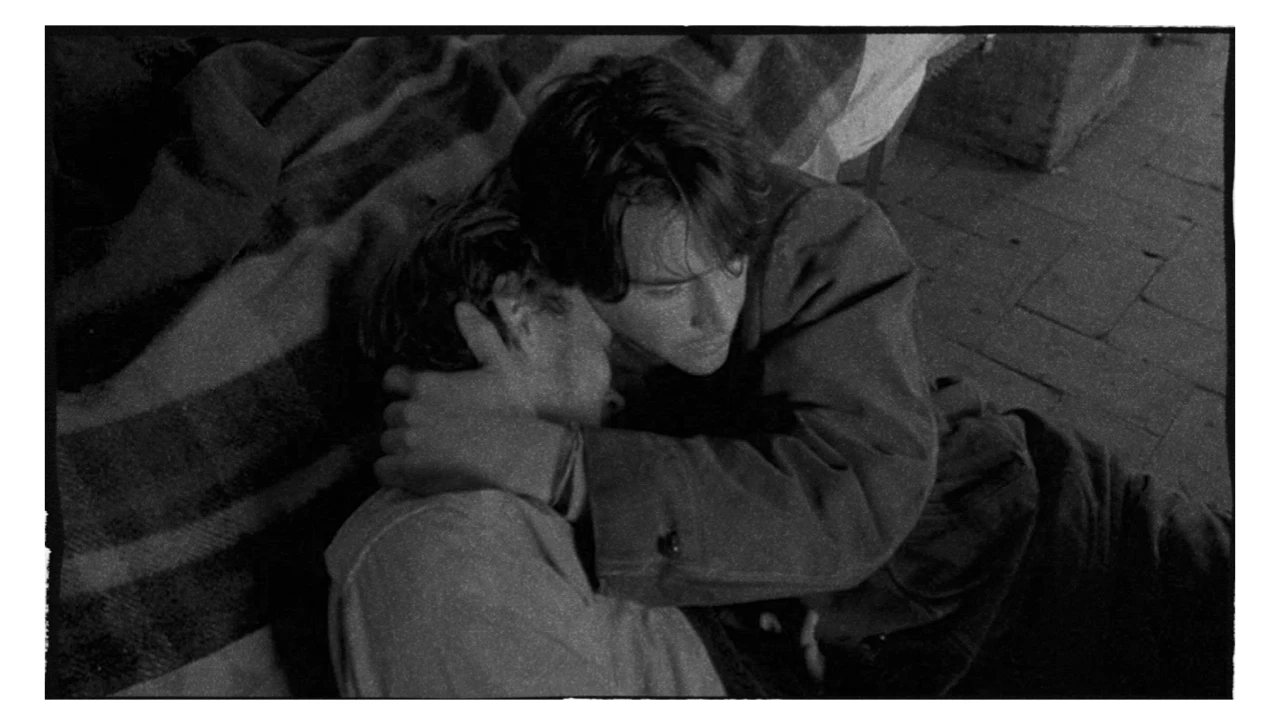
003I now see My Own Private Idaho not as a film about beautiful rootlessness, but as a film about the difference between those who have an “afterwards” and those who don’t.April 26, 2026
003 · 10 min
I now see My Own Private Idaho not as a film about beautiful rootlessness, but as a film about the difference between those who have an “afterwards” and those who don’t.
002Why No Skin Off My Ass matters not only as a film, but as a trace of a queer culture that had not yet become polite, institutional, and safe.April 24, 2026
002 · 9 min
Why No Skin Off My Ass matters not only as a film, but as a trace of a queer culture that had not yet become polite, institutional, and safe.